
Hello readers! How are we all doing so far this month? Not going to lie, October is one of my favourite months of the year (spooky season!!!) so I am not doing too bad at all. And speaking of spooky things, today I want to dedicate this post to a topic that has always been a dark part of performing arts in general, however it has been spreading faster and more aggressively than ever throughout these last couple of years due to COVID-19 and the pandemic situation. Yes, this month we are talking about anxiety and stress related to music and performance.
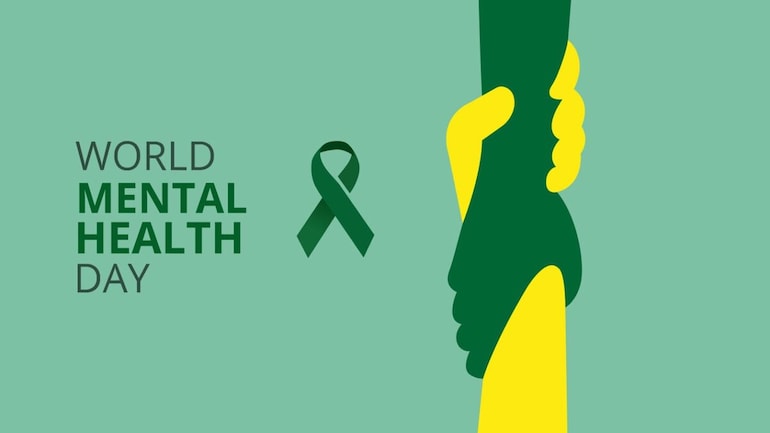
Before we get started, I would like to highlight that today (October 10th) is World Mental Health Day. This is a day that we all collectively across the globe take to gather our thoughts to celebrate wins, failures, progress, regress, movement and spread awareness on a topic that still faces a lot of general stigma. Personally, mental health has always been a very large part of my studies and research as a professional teacher and coach, but also as a sufferer and victim of the poor care of it during my student days. That is why I very quickly gained interest in the subject and slowly started educating myself on the topic at the age of 15. Having gone through a lot of mental health struggles and issues myself (e.g. anxiety, panic attacks, low self-esteem and self-care) I know exactly how it feels to be lost in this industry where most people around you seem… normal, fine. This topic can at times be alienating as there is still so much awareness that we can all collectively spread and share information on, resources and ultimately experiences to inspire others that might be going through similar obstacles or phases. So this month I am here to do my part and share with you all some of my experience and further resources to promote acceptance, healing and growth.
When it comes to music performance, the first issue we encounter when dealing with performance anxiety is a list of questions like: what if I make a mistake? what if something goes wrong on stage? what if people don’t turn up? And the list goes on and on as you can imagine. Now, I do not have a ‘cure or remedy’ for this (I very often wish I did) nor am I claiming to be a specialist in the field whatsoever. BUT, there are a couple of things I have learned throughout the years that really do help when dealing with stress and anxiety. First of all we need to come clean about something and accept that we cannot predict the future or outcome of a performance. Our job as artists and musicians is to rehearse, practice and repeat until we gain the confidence and see results that satisfy us. So the more we try to control or foresee any specific outcome.. quite frankly is just a waste of time. Once we realise this, we’ve already done most of the work to be honest. During my performance anxiety studies I came across some data that showed that 90% of performers that were feeling some degree of fear/fright/anxiety pre-performance, after the act they felt totally fine and on a hype. And that is extremely positive and… scientifically correct.
What we truly experience, most of the times, as performers is not real anxiety; it’s more of a ‘fight or flight’ situation. Our bodies engage in a state of defensive mechanism which triggers an ADRENALINE RUSH. So point number two of this list is: you’re not experiencing anxiety or stress, you’re most likely just overloaded with adrenaline that has yet to be expelled or used through your body. And that’s exactly why 90% of performers felt totally fine after their act, because the act of performing allows your body to release that adrenaline that accumulates over time but has no way to escape. If this is your case, I often advise musicians to use their warm-up and backstage time to engage in some sort of light physical activity: a couple push-ups or sit-ups, and short/light run on a staircase. You get the gist. Especially right before a big night on stage or performance, what we experience is EXCITEMENT. It’s a mix of passion and happiness that courses through our veins because we are happy to share something we’ve work on so passionately. It is a trick of the brain that misinterprets these signal, forcing us to engage ‘fear mode’ as a defensive response. But if you rationally think about it, taking a long slow breath… we are not afraid of music, we LOVE music. And this is also why not everybody suffers from anxiety of stage fright (lucky them huh?!).
Last but not least, my favourite tip of all: never be afraid of sharing your feelings with people you trust or safe spaces. Sometimes it’s just awesome to let it all hang out and pour your feelings out. If you are experiencing anxiety or stress, talk to someone about it right there in the moment: your band members, tutors, friends. You might find yourself at ease sharing how you’re feeling and you never know, they might also be having the same feelings! It is important to remember that these issues ARE REAL and can be extremely heavy to deal with by yourself. Allow yourself time to learn, accept, and grow from them. To do so, there are lots of different ways you can start tackling these factors should they become a heavy burden.
- Talk to a trained counsellor, therapist or doctor about it
- Confide and share with your best friend, family or trusted people
- Keep a journal or diary
- Practice outdoor activities like walking, running, yoga and/or meditation
- Find a community of people that feels the same way
- Do some research about the topic
I truly hope this post shone a different light on a topic that can be quite often daunting and extremely complex. My aim was not to diminish or simplify any of the issues but to offer tips and simple explanations on a few, more common subtopics. I am fully aware that this is a whole world of medical science that we do not even know all about yet, so I encourage you all to do your own research if it all strikes a harsh blow on your life. As a vocal coach and tutor now my mission is to create a safe space for everyone to share their emotions and their true identities, eliminating judgement and shame, but promoting self-reflection, acceptance, kindness and self-care. And there is nothing more heart-warming than seeing students and clients open up about these issues and start a conversation as it tells me right away that they’ve already made the hardest step yet the most important: identifying the issue. The music industry can be scary, demanding and at times very imposing, filled with expectations, deadlines and standards. Always remember that progress, happiness and growth are all processes that take time. So be patient, be kind and keep going 🙂
To finish this post I’d love to leave some very interesting links below to a variety of resources:
WHO on Mental Health plans of awareness, readings and general info
Born this Way Foundation – a non-profit foundation founded and led by artist Lady Gaga & her mother Cynthia Germanotta. This is a safe space and community that focuses on mental health empowerment and awareness through kindness, love and inclusion.