Hi everyone and happy 2021! I hope you all had a fabulous self-isolated party (I sure did in my mind) and started the new year in your best way possible!!! I am so excited to leave 2020 behind; I want to look forward rather than backwards this year more than ever, so in true celebratory spirit I wanted to come up on here and start sharing a new post to hopefully bring more content to your eyes, inspire your research and/or practice 🙂 I trust this year will be a great one, so without any further ado… let’s get started with this new topic!
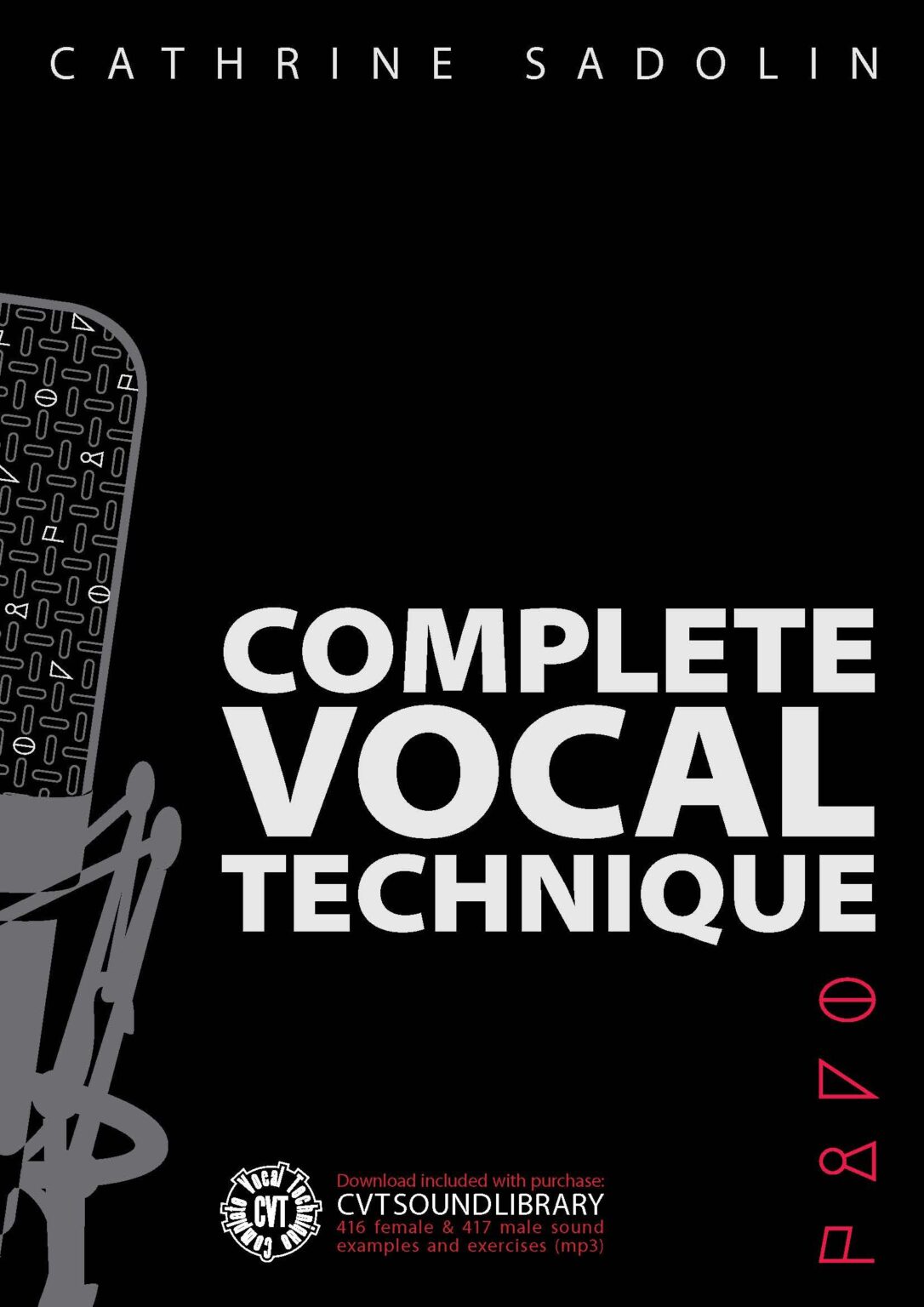
With this topic we are diving back into geeky waters as we will be dealing with vocal techniques, so grab your reading glasses (or monocle if you’re feeling fancy). ‘Complete Vocal Techniques’, also known as CVT, is a contemporary approach on singing techniques all started by a wonderful woman named Cathrine Sadolin who began her vocal research journey back in 1980s. Singer and performer herself, Cathrine grew up being a fan of lots of different styles and genres of music, and while studying vocals found that many techniques and approaches she was learning weren’t really convincing her. Thus began her research for a new common denominator in singing: technical skills and body performance. Cathrine not only started researching something that was very near and dear to her heart, but also became more and more involved in the ‘sharing is caring’ aspect of her findings. She soon began to show and share her progress through time linking with lots of specialists around the world and access labs that could enable her to study the human body under the circumstances of singing. Her passion for teaching also blossomed during these years, all culminating in 2005 when she finally got her material all together and decided to found an institute: the Complete Vocal Institute. Since 2005, the CVI based in Denmark has attracted singers and performers from all over the world giving CVT the popularity it deserves (we’ll see in a second why). Cathrine also published a major part of her research compiled in one book called Complete Vocal Techniques in 2008, making her point of view extremely edgy and factual that most singing teachers, critics and aficionados couldn’t overlook anymore. It slowly made its way across Europe in many both public and private music institutions, bringing her fame and pieces of work now recognisable worldwide as we stand in 2021.
So with all of that being said, let’s take a closer look at why this method gained so much popularity. First of all, it is very important to mention that CVT is a research-based method and it is not based on any pre-assumptions or pre-constructed knowledge about singing, meaning that everything that comes out as a package for the learner has actually been studied and researched on the human body through different levels of applications. You might ask now: what in the world does that mean to me? Well… it means that it is science. Just like we all know that water boils at 100°C and freezes at 0°C, CVT tells you that in order to produce X sound you are going to need Y specific requirements. And this is quite revolutionary in singing since it was never really studied before this close by a large number of people and keeps evolving and improving year after year as more data is found. I personally had the pleasure to gain access to the CVT book in my uni days and study it as I was looking for practical approached that could also inform my practice as an educator. Being a great singer doesn’t always equal to being a great singing teacher, and this book clearly defied that concept. Their whole point is to unveil the mysteries behind vocal techniques and how they work from different aspects like physical, physiognomical and anatomical, providing great insight on what actually happens in a body when asked to perform a certain task. They also deal with a lot of troubleshooting; sometimes things go wrong or don’t work at all, and CVT can provide a wide range of tools to help you get through those moments. Cathrine did also generate a couple of completely new terms that might put one off at the beginning, however fear not as the courses as well as the books and videos do include references and explanations.
The idea behind the CVT method is very simple, honest and well-constructed. The book itself is a very clear image of what their philosophy is all about and is filled with LOTS of knowledge, data, experiments and more, which means that this whole thing isn’t really for the fainted hearts. The only con that people sometimes give me (and I totally agree on) is that it does get technical and nerdy very soon, very fast. That’s why I usually only recommend these sort of advanced technique studies to the people that are truly passionate and are eager to know more and take their practice and studies in their own hands. So if you are a beginner… you might want to skip this one and check the other wonderful and much more accessible resources I’ve linked in the past below this post. On the other hand, if you are looking for a good (and rather long/intense) reading session over this lockdown period, by all means check it all out! CVT was truly a game-changer for me, and I believe it can be for some of you too. As always, I’ll leave a couple of links down here for you all to check out, and if this starts poking your interests… well send me an email and I’ll be glad to help you with any questions you might have along the way!
CVI Official Website available here
Cathrine Sadolin introduces CVT (low quality vid but great sound)